OTHERWHERE DISTRICT
This journal began from a refusal: the refusal to treat exile solely as a wound, an error, or a tragic remainder of history. We emerge instead from a more nonconsoling paradigm — that exile can function as illumination; that distance can sharpen thought; that dissent is not merely reaction, but a critical method of thinking, being and seeing otherwise.
We are a cultural journal and art collective founded in 2026, devoted to telling ready, reckless and relevant stories on transhumanist thinking. We write for readers who think, make, and believe — often at odds with one another, sometimes even at odds with themselves. Our work unfolds in the space where the old frameworks start glitching and new ones start forming.
Exile, for us, is not only geographic or political. It is intellectual, aesthetic, spiritual, and embodied. It names the condition of being displaced from inherited certainties — ideological, institutional, metaphysical — and the decision to remain there long enough for something else to appear. We ask: What does exile become when chosen as a method of embodiment, becoming, and transcendence? When exile is no longer merely endured, but practiced?
Our guiding premise is simple but exacting: exile can be a condition of thought, a way of making and method of belief. This does not mean romanticizing marginality or mistaking precarity for virtue. It means recognizing that critical judgment often becomes possible only when one stands at a distance from the narratives that confer meaning automatically. Exile interrupts inherited grammar. It fractures consensus. It loosens the grip of inevitability.
This is why dissent is not an accessory to our project, but its spine. Dissent is the practice of thinking without guarantees. It is what remains when transcendence no longer commands belief. In its place, we attend to immanence: the fragile, contingent, embodied conditions under which responsibility survives.
Syllabus: Exile as Method
Our first syllabus, Exile as Method, traces this posture across thought, art, and belief.
We begin with Hannah Arendt, whose work names exile as a prerequisite for judgment in dark times. Writing against the seductions of ideology, Arendt reveals how evil thrives not through monstrous intent but through thoughtlessness — through the quiet substitution of rules for responsibility and institutional power. Her exile was not only forced by history; it became a method of seeing. From that exposed position, she could register how obedience masquerades as necessity, and how illumination flickers not from systems, but from individuals who refuse moral automation. In Arendt, exile becomes the fragile space where judgment survives without shelter.
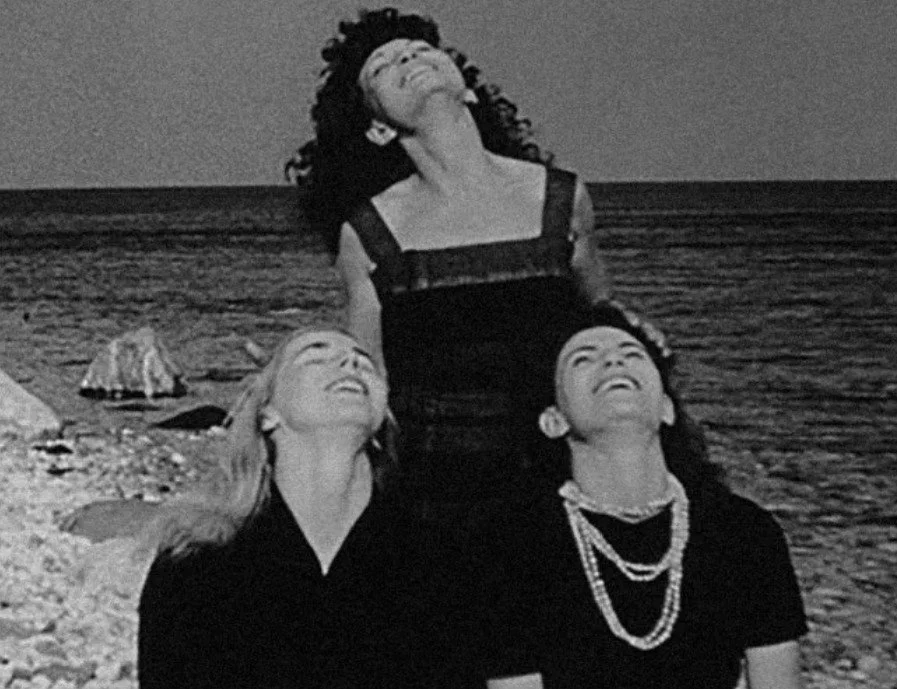
From political thought we turn to artistic making with Maya Deren, whose films treat the body not as object but as equipment — a site of manipulation, repetition, and re-embodiment. Deren’s work enacts a form of embodied exile: a refusal of industrial authorship, aesthetic hierarchy, and institutional sanction. Her camera was not a machine but a companion; her practice a form of displacement from dominant modes of production. In choosing amateurism, she chose freedom. Exile here becomes a way of making — where beauty is not consolation, but risk; where the body is both instrument and threshold.
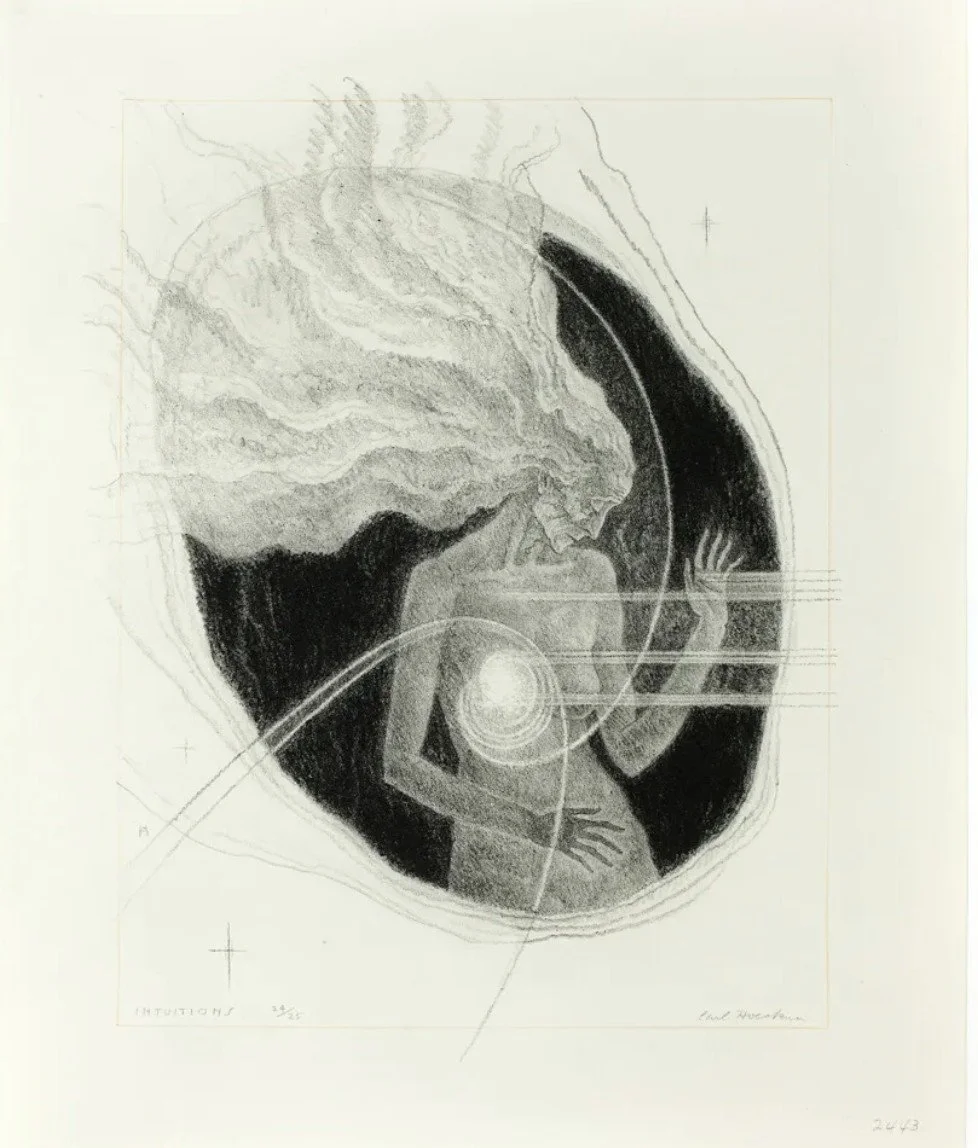
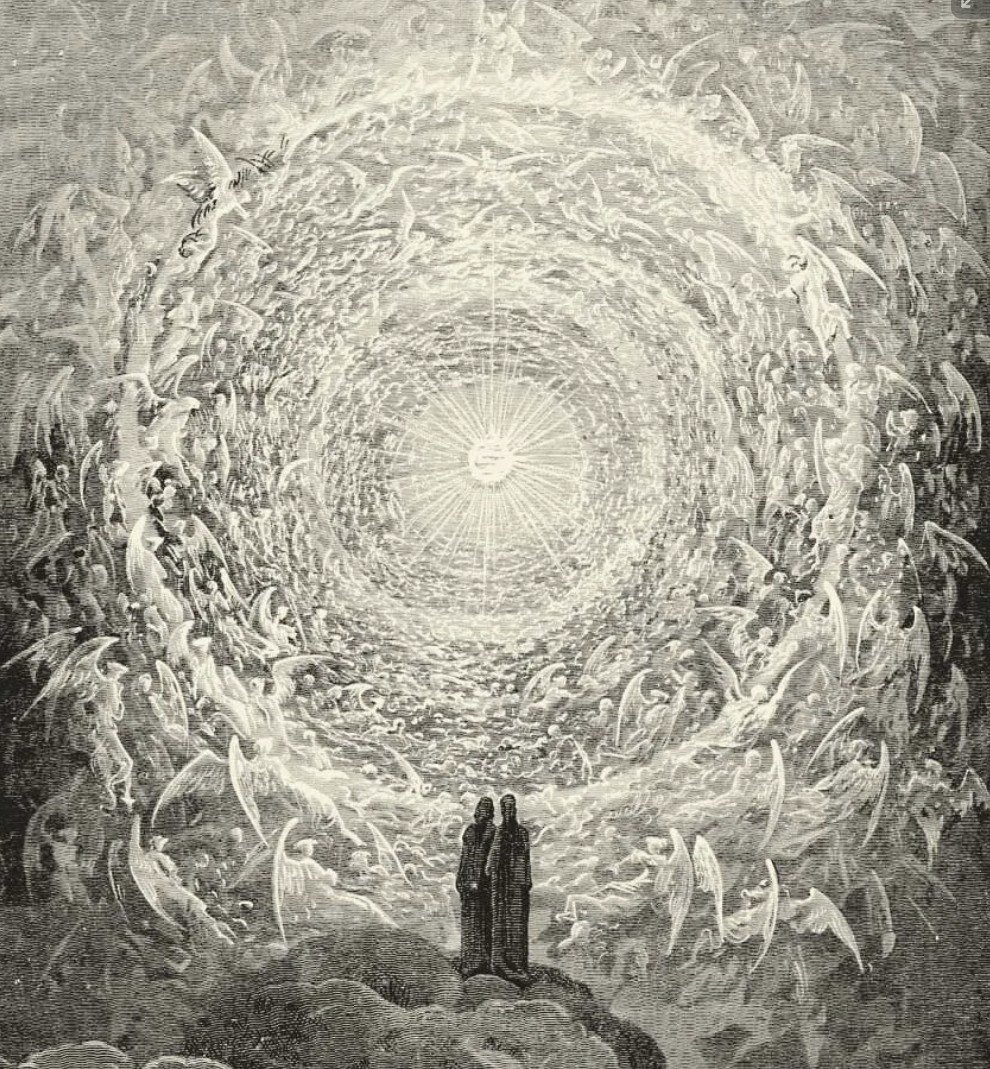
We then move to belief without authority through the wandering figure of Paracelsus — physician, alchemist, and heretic. Burning the textbooks of Galen, teaching from the earth and the cosmos, Paracelsus practiced exile as proof. His faith was not in doctrine but in method: in what could be tested, felt, transformed. Treating poison as potential medicine, he trusted the intelligence of nature over the sanction of institutions. Exile, for Paracelsus, was neither punishment nor romance — it was the condition under which belief remained alive, adaptive, and accountable.
Across these constellations, a throughline emerges. Exile operates as a bridge traversing from metaphysical guarantees to responsibility. It exposes the fragility of systems that rely on compliance. It reveals how art, thought, and belief persist when authority dissolves.
We attend to the negotiation across silos of mind, body, and spirit — realms too often partitioned by modern knowledge systems and administered as separate territories. We look toward a new paradigm of seeing and living, where a new line of code develops, rewritten through practice, attention, and dissent.
This journal does not seek unity. We resist synthesis that smooths over difference or resolves contradiction too neatly. Instead, we cultivate proximity without consensus — a space where freethought and humanism can encounter conflict without collapse, where pantheistic displacement unsettles rigid belief, and where state ideology is neither ignored nor obeyed, but examined.
Exile offers no comfort of arrival. It offers no final ground. What it offers instead is clarity — uncertain, flickering, and often quiet — but sufficient to illuminate responsibility where darkness has been administered as normal life.
If there is a legacy we seek, it is not permanence but discernment. Welcome to our world.